TMS Treatment – Advanced Neurological & Psychiatric Care
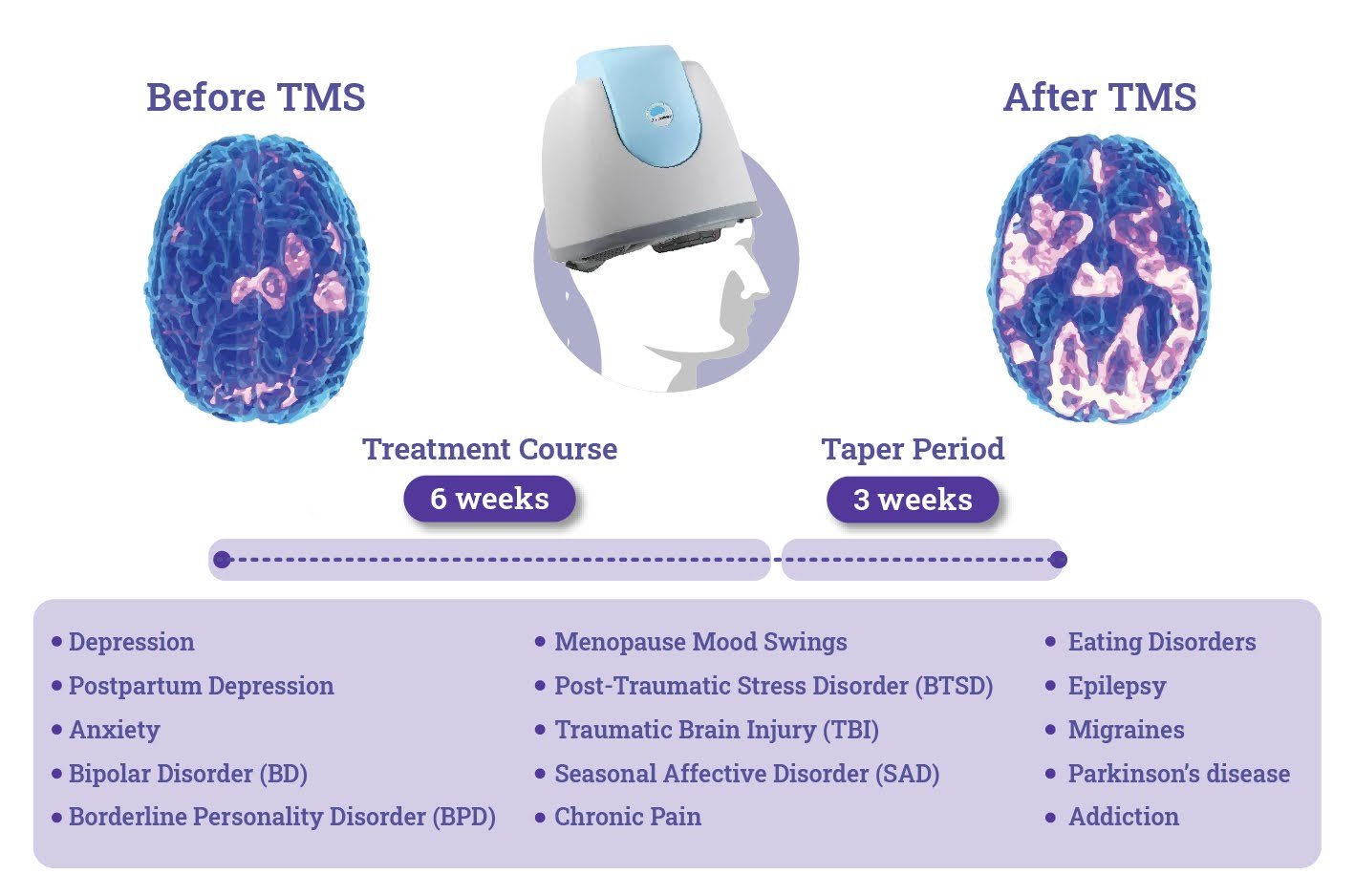
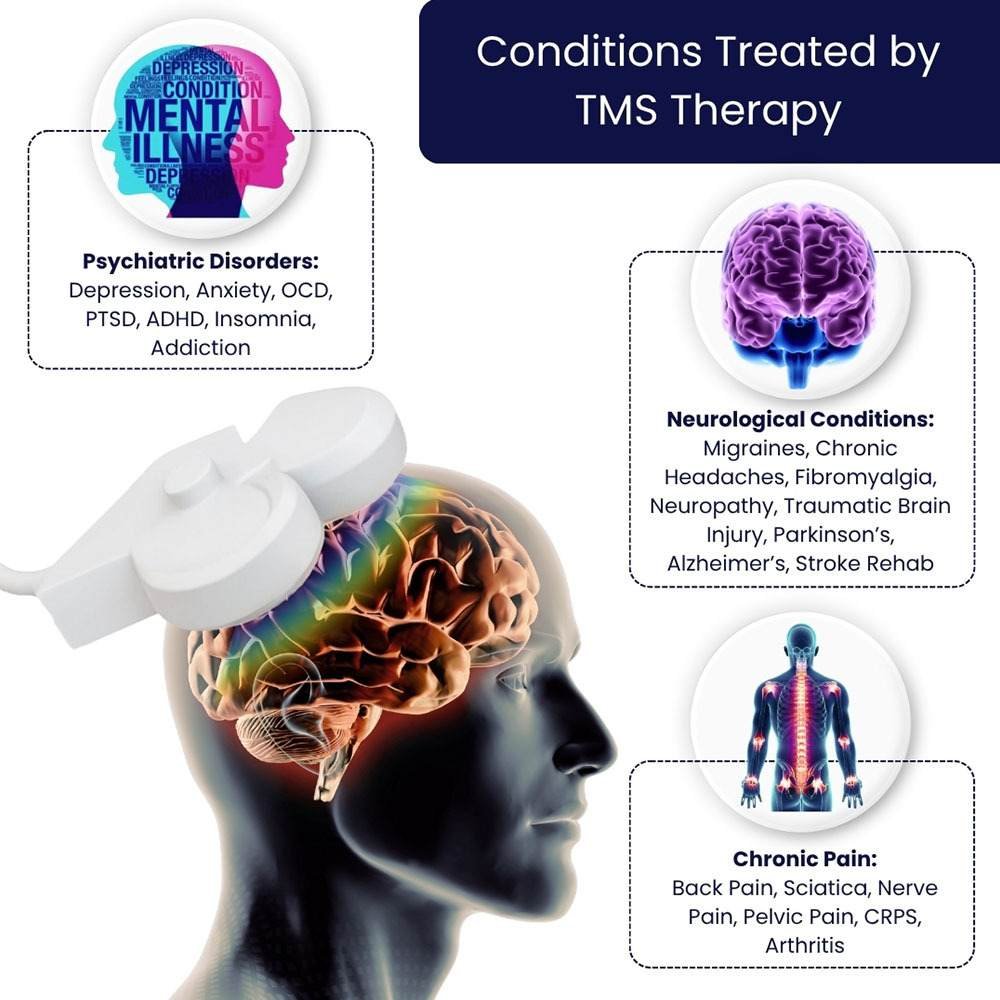
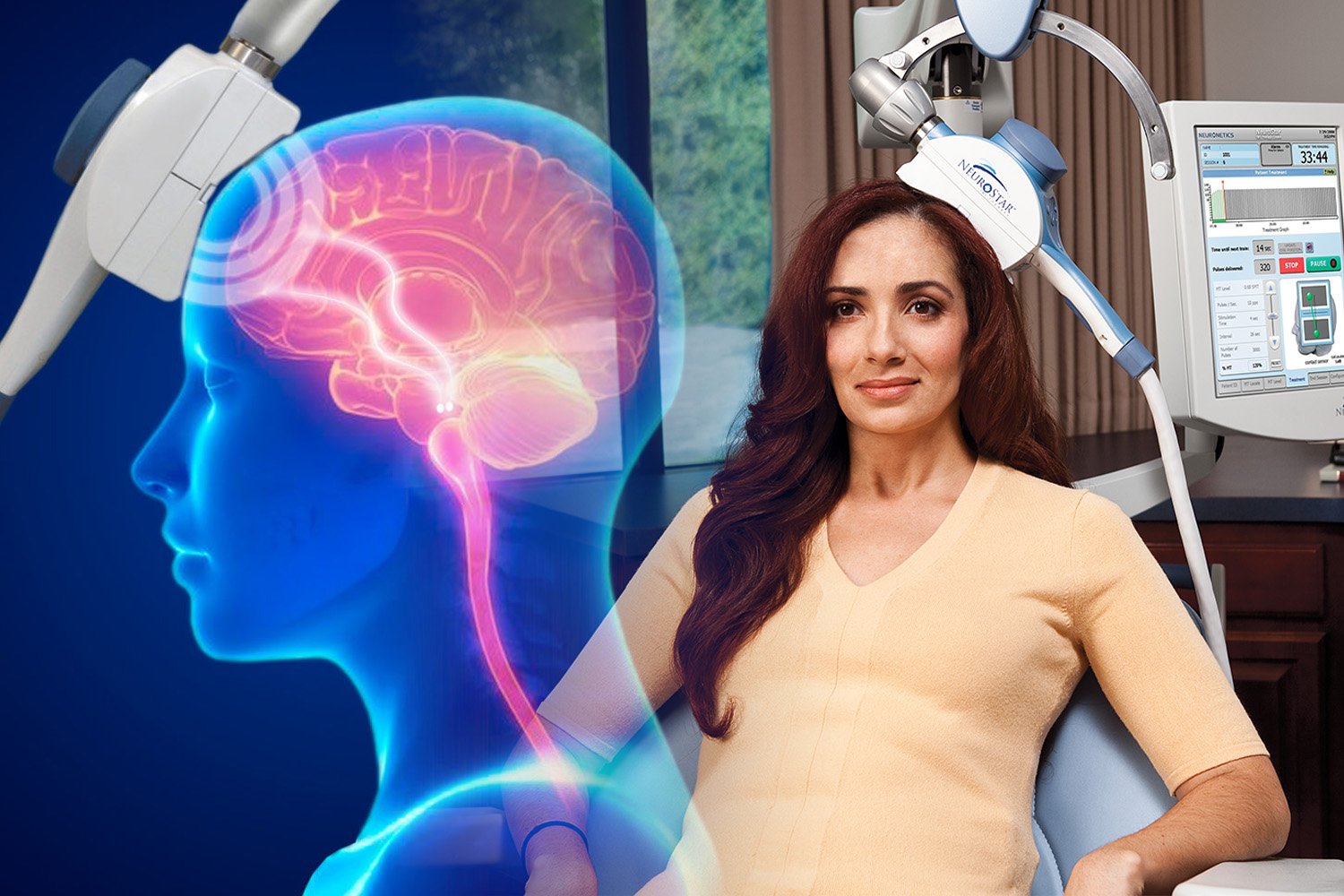
. Transcranial Magnetic Stimulation (TMS) is an advanced, non-invasive, drug-free therapy that uses focused magnetic pulses to stimulate specific areas of the brain. It helps regulate abnormal brain activity associated with neurological and psychiatric disorders.
TMS is safe, painless, outpatient-based, and especially beneficial for patients who:
- Do not respond to medications
- Experience medication side effects
- Want non-surgical treatment options
- Are looking for targeted brain-based therapy
🧠 Neurological Disorders Treated with TMS
TMS is increasingly used in neurology to improve brain function, reduce symptoms, and enhance recovery in various conditions.
1️⃣ Parkinson’s Disease
TMS can help improve motor function by stimulating the motor cortex.
It may reduce tremors, stiffness, and slowness of movement while supporting better coordination and mobility.
2️⃣ Stroke Rehabilitation
TMS promotes neuroplasticity (brain rewiring), helping patients regain movement, strength, and speech after a stroke.
It supports faster and more effective rehabilitation outcomes.
3️⃣ Migraine & Chronic Headaches
TMS reduces the frequency and intensity of migraine attacks.
It helps control pain pathways and decreases dependence on long-term medications.
4️⃣ Epilepsy
In selected patients, TMS can help regulate abnormal electrical brain activity and reduce seizure frequency.
5️⃣ Multiple Sclerosis (MS)
TMS may help reduce muscle spasticity, fatigue, and improve motor coordination in MS patients.
6️⃣ Neuropathic Pain
TMS modulates pain pathways in the brain and provides relief from chronic nerve-related pain such as burning, tingling, or shooting sensations.
7️⃣ Fibromyalgia
Patients with fibromyalgia may experience reduction in widespread body pain, improved sleep, and better overall energy levels.
8️⃣ Chronic Pain Syndromes
TMS is effective in long-standing pain conditions where conventional therapies fail.
9️⃣ Tinnitus
TMS can help reduce persistent ringing or buzzing sounds in the ears by targeting auditory cortex hyperactivity.
🔟 Dystonia
May improve abnormal muscle contractions by regulating motor circuits.
1️⃣1️⃣ Traumatic Brain Injury (TBI) Recovery
TMS supports cognitive improvement, attention, and mood stabilization after head injuries.
1️⃣2️⃣ Alzheimer’s Disease (Early Stage)
May improve memory, attention, and cognitive function in selected early-stage patients.

🧠 Psychiatric Disorders Treated with TMS
TMS is globally recognized and widely used in psychiatry, particularly for treatment-resistant cases.
1️⃣ Major Depressive Disorder (MDD)
TMS stimulates underactive mood centers in the brain.
It reduces sadness, hopelessness, fatigue, and restores motivation and emotional balance.
Highly effective for patients not responding to antidepressants.
2️⃣ Anxiety Disorders
Helps regulate overactive fear circuits in the brain.
Beneficial in:
- Generalized Anxiety Disorder (GAD)
- Panic Disorder
- Social Anxiety Disorder
3️⃣ Obsessive-Compulsive Disorder (OCD)
TMS targets the brain circuits responsible for compulsions and intrusive thoughts.
It is approved for OCD and effective when medications fail.
4️⃣ Post-Traumatic Stress Disorder (PTSD)
Reduces flashbacks, hyperarousal, emotional triggers, and improves sleep quality.
5️⃣ Bipolar Depression (Carefully Selected Cases)
May help depressive phases under strict medical supervision.
6️⃣ Insomnia & Sleep Disorders
Improves sleep regulation, reduces stress-related insomnia, and enhances deep sleep cycles.
7️⃣ Addiction & Substance Use Disorders
TMS helps regulate craving pathways and may assist in reducing alcohol, nicotine, and substance dependence.
8️⃣ Attention Deficit Hyperactivity Disorder (ADHD)
May improve attention, focus, and impulse control in selected patients.
Why Choose TMS Therapy?
✔ Completely non-invasive
✔ Drug-free treatment option
✔ No anesthesia required
✔ Minimal side effects
✔ Safe and well tolerated
✔ Scientifically validated brain stimulation therapy
Who Should Consider TMS?
- Patients not improving with medications
- Patients experiencing medication side effects
- Chronic neurological disorder patients
- Treatment-resistant depression or anxiety cases
- Individuals seeking advanced, non-surgical brain therapy
TMS therapy represents a breakthrough in modern neuroscience — offering hope, recovery, and improved quality of life for patients with both neurological and psychiatric conditions.
Personalized Treatment
Every patient is unique. We develop individualized care plans based on your condition, goals, and preferences.
Advanced Diagnostics
Access to cutting-edge imaging, laboratory, and diagnostic tools ensures accurate assessments.
Ongoing Monitoring
We offer follow-up care, education, and guidance to help you maintain your health over time.

TMS is a non-invasive, painless neurostimulation technique used in stroke rehabilitation to promote neuroplasticity, aiding recovery of motor function, speech (aphasia), and swallowing (dysphagia). By using magnetic pulses to either excite (high-frequency) or inhibit (low-frequency) specific brain areas, it helps rebalance activity between hemispheres.
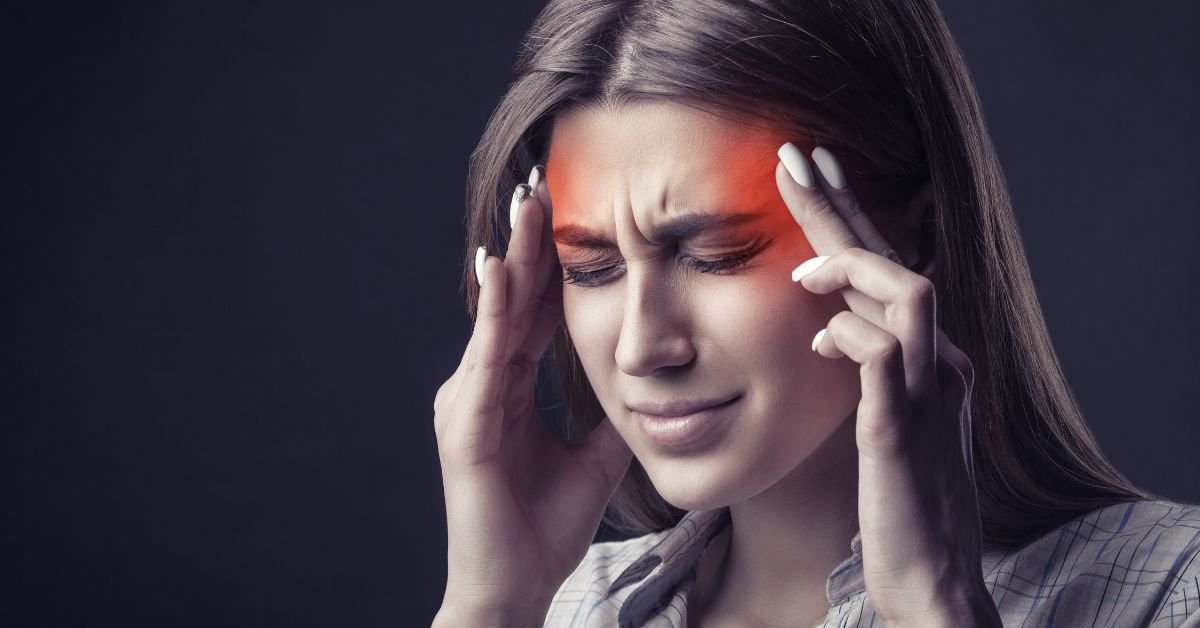
TMS is a non-invasive, drug-free therapy using magnetic pulses to treat chronic migraines and headaches by modulating brain activity. FDA-cleared for acute and preventive use, it reduces headache frequency and intensity by disrupting cortical spreading depression, with common side effects being mild scalp discomfort.
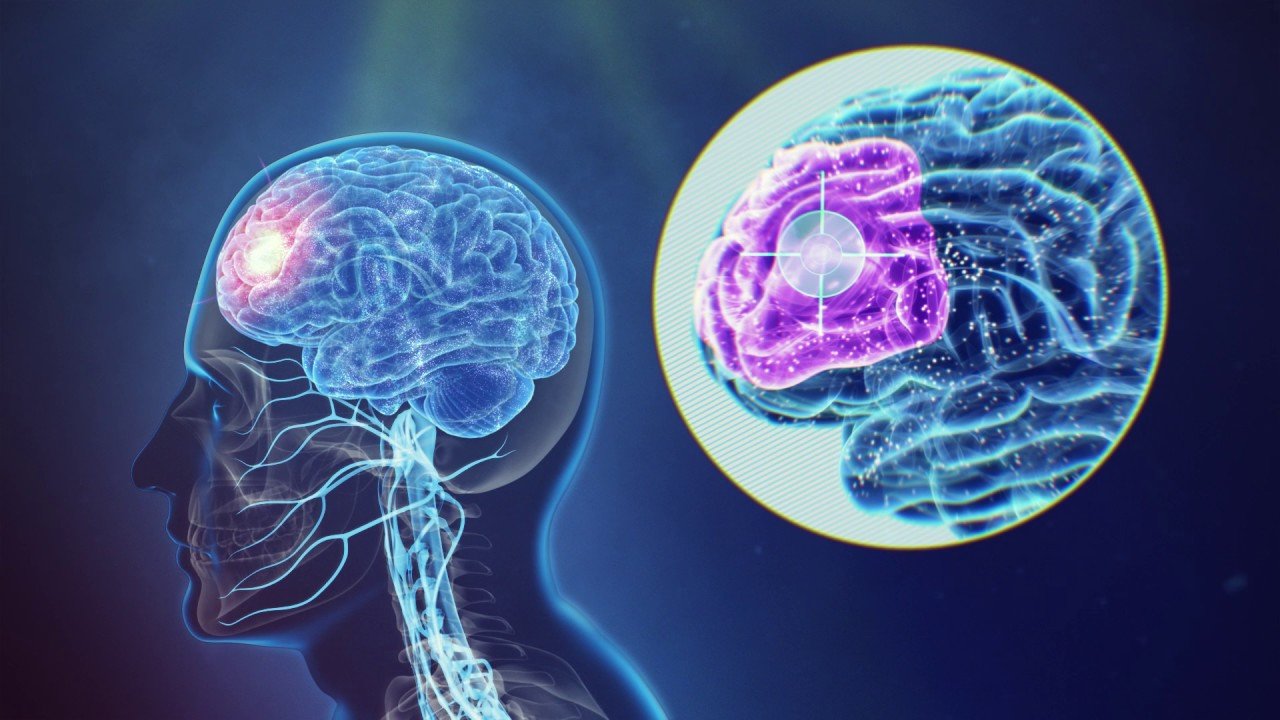
TMS is a promising, non-invasive technique being studied to improve both motor (movement) and non-motor (like depression, cognition) symptoms of Parkinson's Disease (PD) by modulating brain activity, with studies showing benefits for symptoms like tremors, gait, and mood, though effectiveness varies by targeted brain area and stimulation parameters, and it's still considered experimental for PD rather than a standard FDA-approved treatment. It works by using magnetic pulses to alter cortical excitability, with specific frequencies and locations (like motor cortex or prefrontal cortex) showing different effects, and research continues to refine protocols.
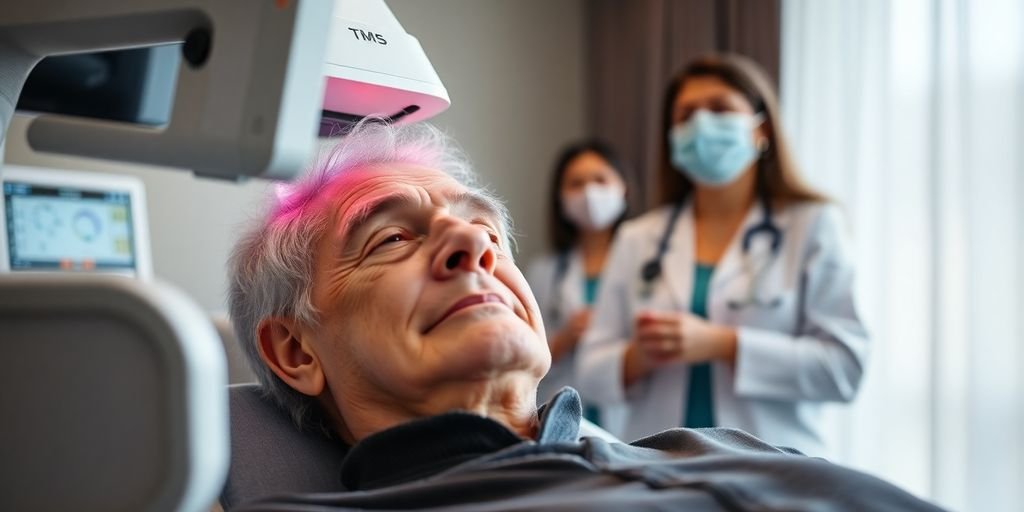
Clinical Applications
• Stroke • Spasticity • Paralysis
• Depression • Swallowing/Speech Problems • Anxiety
• Tinnitus • Parkinson • Fibromyalgia
• Chronic Pain Syndromes • Multiple Saclerosis • Dementia.
• Brain Injury • Schizophrenia • Migraine (Headache)
• Acoustic • Hallucination • PSTDOCD
• Bulimia (Eating Disorders) • Deaddiction (Smoking Alcohol)
Your Health, Our Priority
Our team of dedicated professionals combines medical expertise, advanced technology, and a patient-first approach to ensure you receive the highest quality treatment every time you visit.
- Modern equipment and a patient-centered environment.
- We work closely with other specialists to provide integrated care.
- Flexible scheduling, telehealth options, and timely appointments.